September 10, 2026
In the highly demanding world of modern manufacturing, the distinction between standard and advanced manufacturing capabilities is more critical than ever before. Industries ranging from aerospace to medical device production require components that meet incredibly tight tolerances, strict material specifications, and flawless structural integrity. While standard machining can handle basic fabrication and straightforward part creation, it often falls short when complex geometries and microscopic precision are required. This is where specialized facilities step in to bridge the gap and deliver superior results. According to Market.US, the global precision machining market was valued at $117.2 billion in 2024. This massive valuation highlights the growing reliance on advanced manufacturing capabilities across numerous sectors. As technological advancements continue to reshape the industrial landscape, the demand for highly specialized fabrication services is only expected to increase exponentially. Choosing a dedicated precision machine shop ensures that components are crafted with an uncompromising commitment to exactness, reliability, and consistency. By leveraging specialized capabilities, these advanced facilities go far beyond the conventional methods of basic cutting and shaping. Understanding the specific advantages and unique operational strengths that these facilities provide is essential for any business seeking high-quality manufactured parts.
1. Advanced Computer Numerical Control Machinery
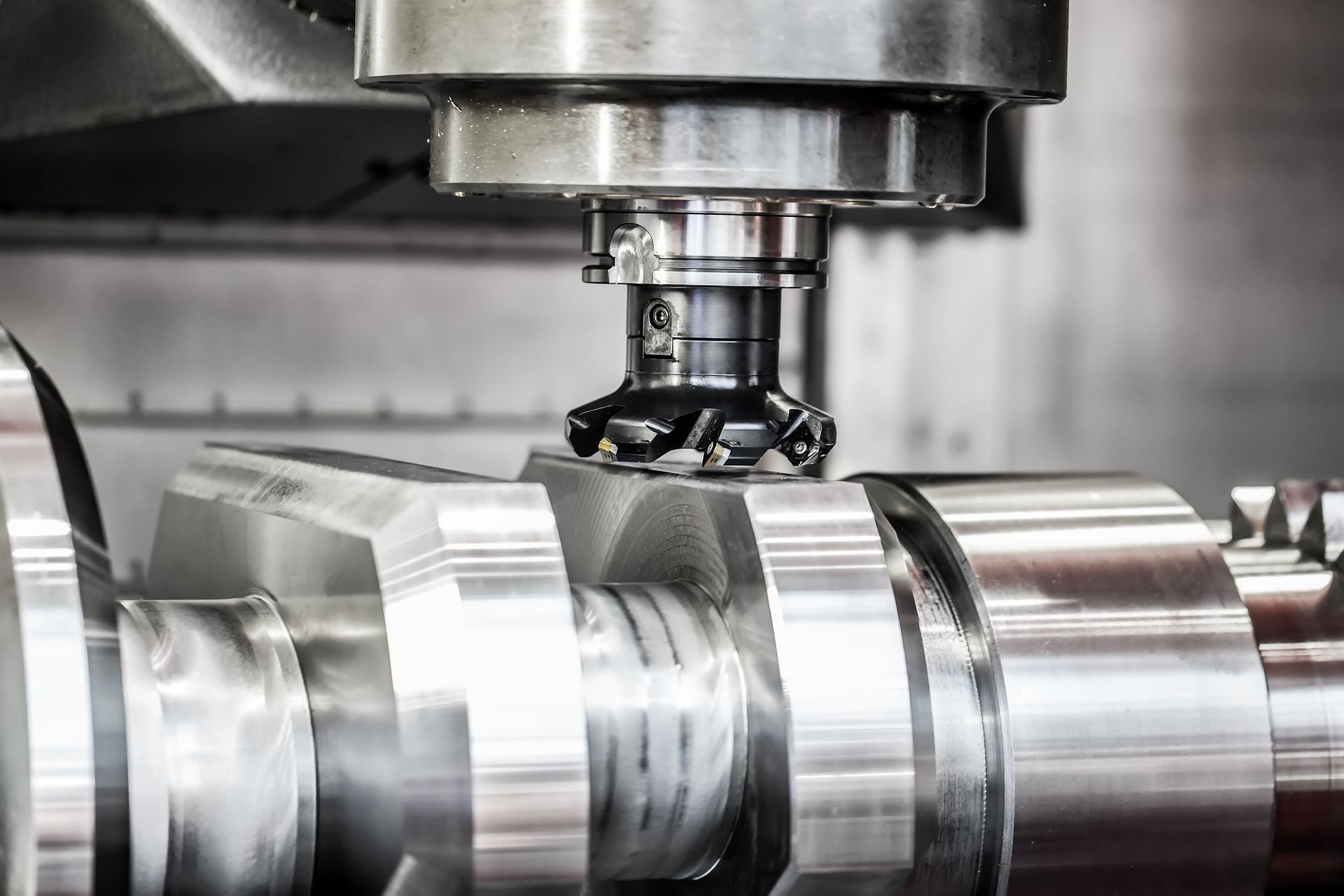
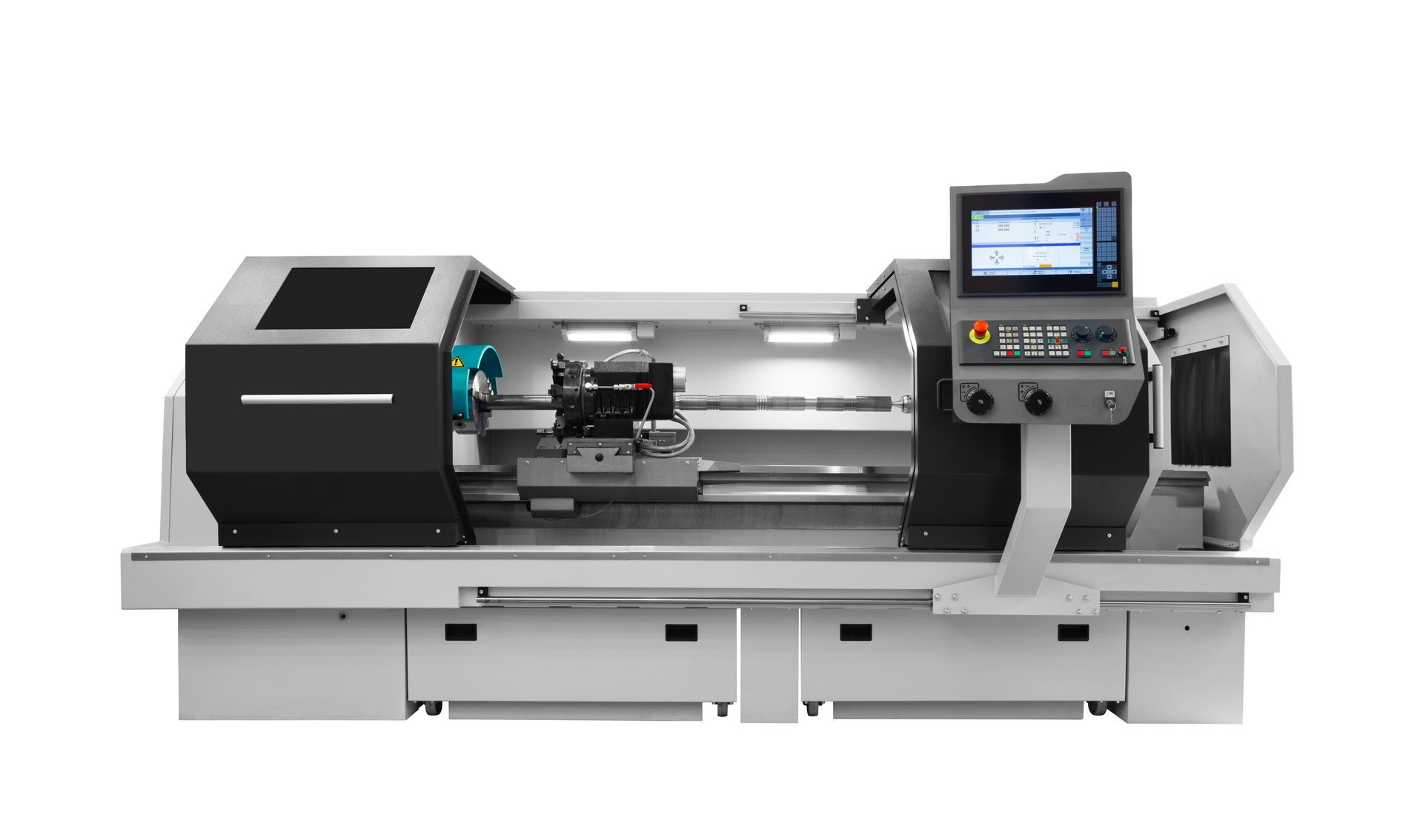
One of the most defining characteristics of a high-tier manufacturing facility is its reliance on cutting-edge technology, particularly computer numerical control equipment. Standard manufacturing often utilizes older or manually operated equipment, which inherently introduces the risk of human error and inconsistency. In contrast, a modern precision machine shop employs state-of-the-art automated systems that execute highly complex cutting operations with unmatched accuracy. These advanced machines interpret complex digital blueprints and meticulously translate them into physical components, ensuring that every cut, drill, and milling operation aligns perfectly with the original design. Furthermore, multi-axis machining centers allow for the simultaneous manipulation of tools and materials from various angles, eliminating the need for multiple manual setups. This technological superiority not only drastically reduces the margin of error but also significantly accelerates the entire production process. The seamless integration of advanced computer numerical control equipment guarantees that high volumes of complex parts can be produced with absolute uniformity. Consequently, clients receive components that adhere strictly to their required specifications, regardless of the intricacy of the design.
2. Highly Skilled and Experienced Workforce
While cutting-edge machinery is a fundamental requirement, the expertise of the individuals operating these advanced systems is equally vital to the manufacturing process. Standard facilities may employ operators who possess basic knowledge of cutting and shaping techniques, but an elite manufacturing center requires a team with extensive training and specialized knowledge. A highly reputable precision machine shop invests heavily in its workforce, ensuring that machinists possess deep, practical insights into complex programming, tool selection, and material behaviors. These professionals are trained to handle a wide variety of materials, from common metals to exotic alloys and advanced composites, understanding exactly how each material responds to different machining forces. Their expertise allows them to anticipate potential issues before they arise and adjust machining parameters to optimize the final outcome. Additionally, highly skilled machinists possess the critical thinking abilities necessary to troubleshoot complex manufacturing challenges efficiently. This exceptional level of expertise ensures that every project is executed flawlessly, minimizing material waste and preventing costly delays.
3. Stringent Quality Assurance Processes
Maintaining exact tolerances and flawless surface finishes requires an unwavering commitment to quality control throughout every single stage of production. In conventional manufacturing environments, rigorous quality checks might only occur at the end of the production cycle, which can lead to widespread defects if an issue goes unnoticed. Conversely, a dedicated precision machine shop integrates rigorous quality assurance protocols seamlessly into its daily operations, conducting thorough inspections at various critical checkpoints. By utilizing sophisticated measuring instruments such as coordinate measuring machines and laser scanning devices, these facilities can verify the exact dimensions of a part down to the microscopic level. This proactive approach to quality management ensures that any slight deviation from the blueprint is immediately identified and corrected during the process, rather than after the fact. The commitment to stringent quality assurance guarantees that every single component leaving the facility meets the highest standards of excellence and reliability. Ultimately, this meticulous attention to detail safeguards the client's investment and prevents operational failures in the field.
4. Versatile Customization and Prototyping Services
The ability to adapt to unique project requirements and develop custom solutions is a major differentiator in the advanced manufacturing industry. Standard operations are typically optimized for high-volume, low-complexity production runs, making it difficult for them to accommodate bespoke requests or rapid prototyping. However, a specialized precision machine shop thrives on versatility, offering comprehensive prototyping services that allow clients to thoroughly test and refine their designs before committing to full-scale production runs. This invaluable capability is absolutely crucial for industries that rely on continuous innovation and rapid product development cycles. Whether a project requires a single, highly complex prototype or a small batch of specialized components, these advanced facilities possess the agility to reconfigure their operations efficiently. By facilitating rapid iteration and providing valuable feedback on manufacturability, they help clients optimize their designs for both performance and cost-effectiveness. The flexibility to handle high-mix, low-volume production ensures that clients can bring their innovative concepts to life without being hindered by rigid manufacturing constraints.
5. Collaborative Design and Engineering Support
Beyond merely executing manufacturing orders, top-tier machining centers act as strategic partners, actively contributing to the overarching success of a client's project through dedicated, hands-on engineering support. In a standard manufacturing setting, the relationship between the client and the manufacturer is often purely transactional, with little to no dialogue regarding design optimization. A true precision machine shop takes a highly collaborative approach, working closely with a client's engineering team to thoroughly analyze the manufacturability of a component. By leveraging their extensive knowledge of machining techniques and material properties, these professionals can suggest design modifications that enhance the functionality and durability of the final product. This collaborative synergy often leads to streamlined production processes, reduced material waste, and lower overall manufacturing costs. Furthermore, having a manufacturing partner that actively participates in the problem-solving process provides clients with a significant competitive advantage in their respective markets. This level of dedicated support transforms a simple manufacturing service into a powerful catalyst for continuous product innovation and long-term business growth.
The differences between standard manufacturing operations and advanced machining facilities are profound, impacting everything from component quality and production efficiency to design optimization and overall project success. When complex geometries, incredibly tight tolerances, and superior material handling are non-negotiable requirements, relying on basic, standard fabrication methods is simply not a viable option for modern businesses. By embracing cutting-edge automated machinery, employing highly skilled experts, maintaining rigorous quality control, and offering versatile support, specialized manufacturing centers provide invaluable services to countless demanding industries. Partnering with a dedicated precision machine shop is the most effective way to ensure that your critical components are manufactured to the highest possible standards of excellence. If your business requires flawless execution and unmatched reliability for its manufacturing needs, it is time to elevate your production strategy. Reach out to Tri-Gon Precision, Inc. today to learn more about how our advanced manufacturing capabilities can support your upcoming projects and drive your business forward.