July 7, 2026
In the fast-paced world of modern manufacturing, time is quite literally money. Whether you are an engineer designing intricate aerospace components, a medical device manufacturer seeking ultra-tight tolerances, or an industrial buyer looking for reliable production parts, turnaround time is always a primary concern. This naturally leads to one of the most common questions we hear at Tri-Gon Precision, Inc: How fast can CNC machines actually work?
For over 50 years, Tri-Gon Precision, Inc has been a trusted name in Colorado Springs, CO, and across the United States. As a family-owned, minority, and woman-operated business, we have continuously adapted to new technologies to bring our clients the very best in manufacturing speed and accuracy. From micromachining to CNC Swiss screw machining, our facility handles complex parts with unmatched expertise. We understand that maximizing machine speed without sacrificing quality is the ultimate goal in the machining industry. Whether we are rapidly milling an aluminum prototype or carefully refining a hardened steel component through precision grinding, understanding the dynamics of CNC machine speed is crucial to optimizing your production schedules.
Decoding CNC Machine Speed Metrics
To fully grasp how fast a Computer Numerical Control (CNC) machine can operate, we must first break down what "speed" actually means in the context of machining. Speed is not a single, universal metric. Instead, it is divided into a few key parameters:
- Spindle Speed: This refers to how fast the cutting tool (or the workpiece, in the case of a lathe) rotates, measured in revolutions per minute (RPM).
- Feed Rate: This dictates how fast the cutting tool moves through the material. Measured in inches per minute (IPM) or millimeters per minute, the feed rate is highly dependent on the spindle speed, the number of cutting flutes on the tool, and the type of material being machined.
- Rapid Traverse Rate: This is the speed at which the machine moves its axes when it is not actively cutting material (e.g., moving the tool from its starting position to the workpiece).
It is important to note that the speed metrics for aggressive rough milling differ vastly from the careful, controlled pacing required for precision grinding. Each process is optimized for a different stage of manufacturing, balancing raw velocity with dimensional accuracy.
Determining Cutting Velocity With Material Types
The type of material being machined plays arguably the most significant role in determining how fast a CNC machine can realistically operate.
- Softer Materials (Aluminum, Brass, Plastics): These are highly machinable and allow for aggressive feed rates and high spindle speeds. Parts can be produced incredibly quickly. Aluminum disperses heat effectively, allowing machinists to push the machine's limits without compromising the tool or the workpiece.
- Harder Materials (Titanium, Inconel, Hardened Stainless Steel): These require a much more measured approach. Pushing a CNC machine too fast on tough alloys generates excessive heat, leading to premature tool wear, tool breakage, or thermal distortion.
To machine hard metals successfully, operators must reduce both spindle speeds and feed rates, utilizing specialized coolants to manage temperatures. Often, manufacturers will use a CNC mill or lathe to rough out the basic shape of a hardened steel part relatively quickly, but subsequently rely on precision grinding to refine the final dimensions to exact tolerances. This multi-step process ensures that the bulk of the material is removed efficiently, while the critical surfaces receive the meticulous attention they require.
Embracing Technological Advancements
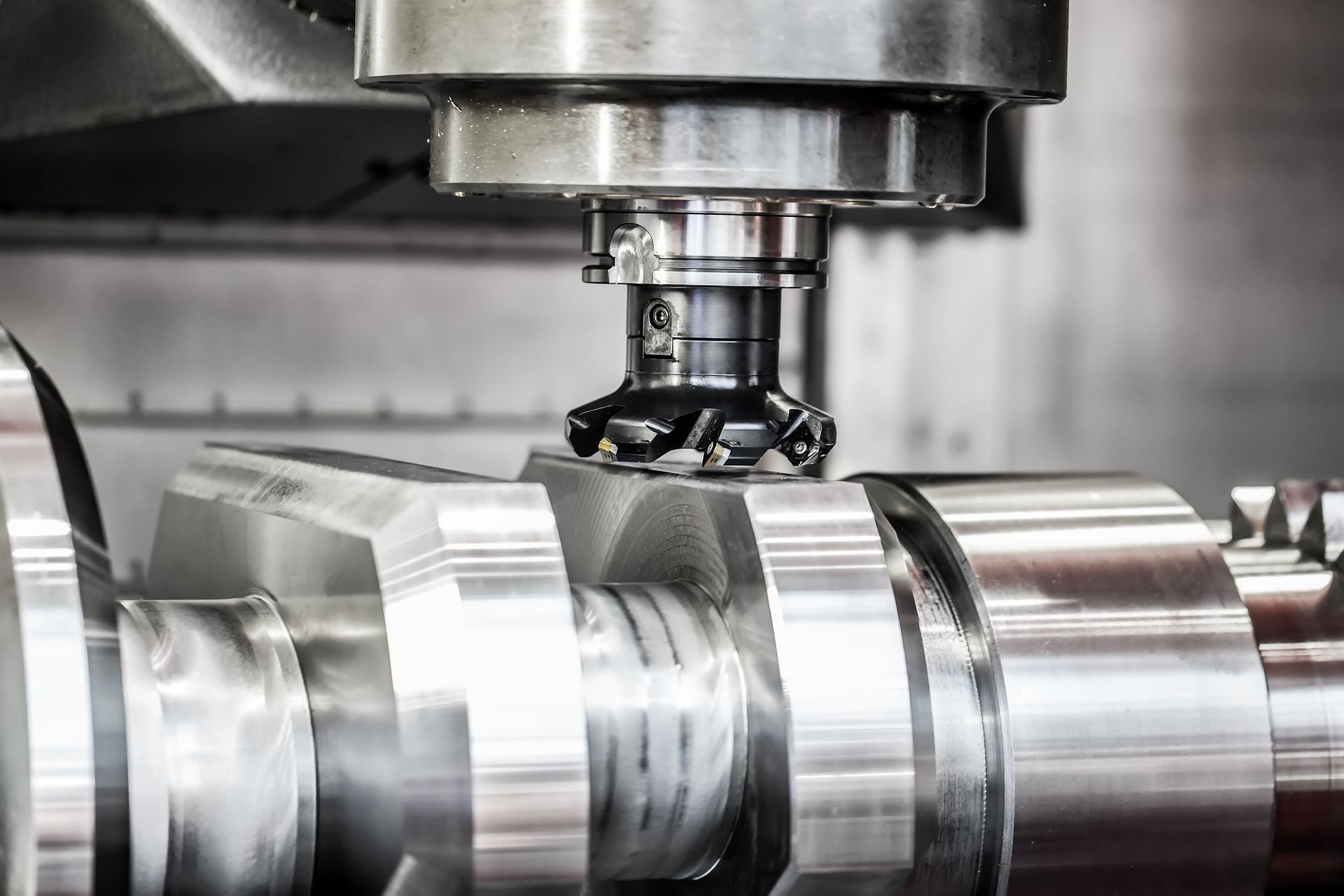
Technological advancements have completely revolutionized CNC machining speeds over the last few decades. The integration of High-Speed Machining (HSM) techniques has allowed operators to take lighter, faster cuts rather than slow, heavy ones. This reduces the load on the tool and machine, drastically decreasing the time it takes to produce complex geometries. Furthermore, the evolution of sophisticated CAM (Computer-Aided Manufacturing) software allows for optimized tool paths that avoid unnecessary movements and maintain a constant chip load.
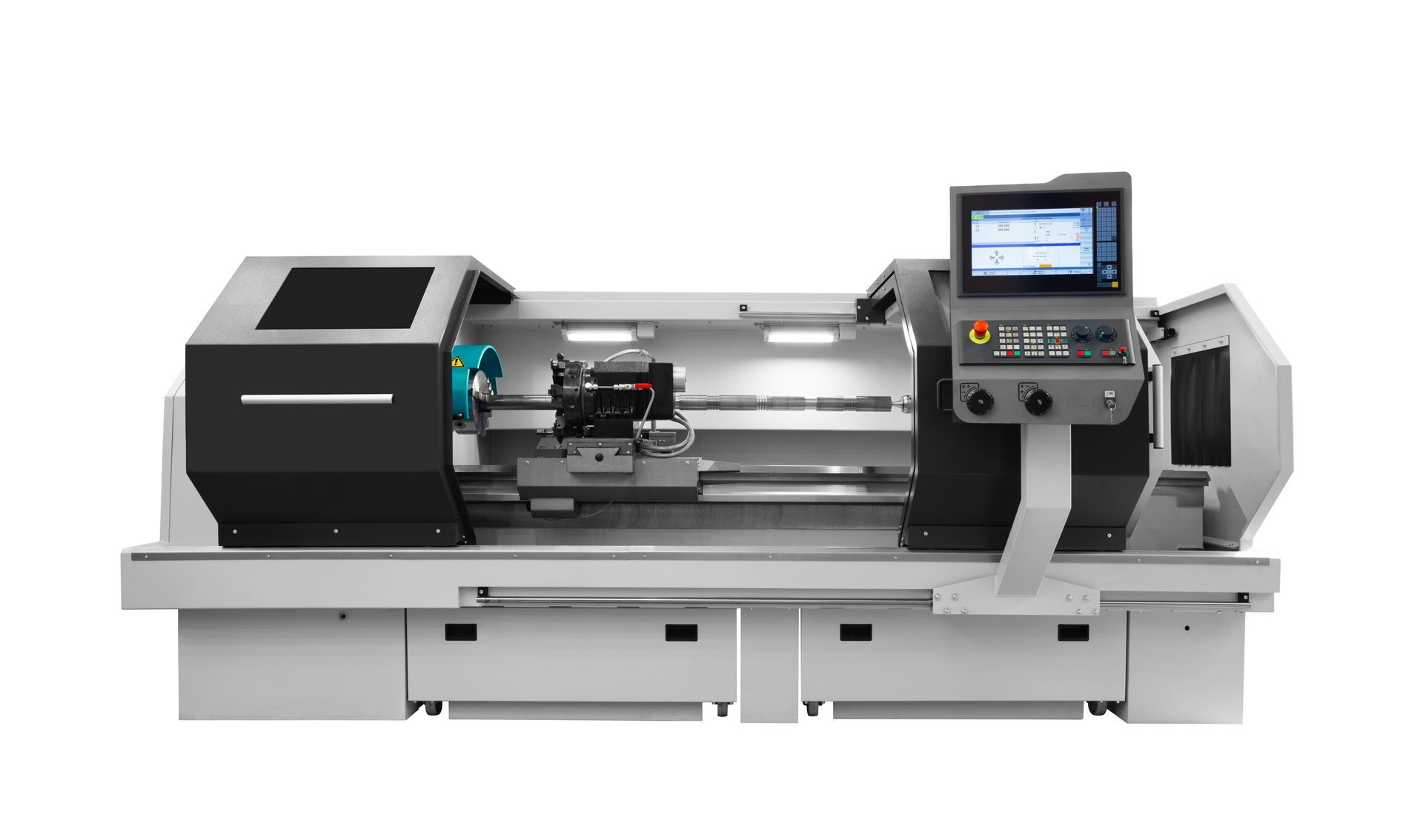
According to CNCSourced, utilizing specific advanced CNC machine models can decrease cutting time by up to 75%. This is a staggering improvement that directly translates to shorter lead times and more cost-effective production for customers. These advanced machines feature highly responsive servo motors, advanced thermal compensation algorithms, and massive computing power to process complex G-code instructions instantaneously. However, while roughing out a part is swift with these modern marvels, precision grinding ensures that the final product meets the stringent geometric requirements demanded by high-stakes industries like aerospace and medical devices.
Understanding Tooling and Machine Rigidity
Even the most advanced, high-speed CNC machine cannot operate at its maximum potential without the right tooling and superior machine rigidity. At high speeds, vibration is the enemy of both the machine and the workpiece. Chatter—a rapid, resonant vibration—can destroy a part's surface finish and drastically reduce the lifespan of the cutting tool. To combat this, high-speed CNC machines are built with incredibly heavy, rigid cast-iron or polymer composite bases that heavily dampen vibrations.
The tooling itself must also be up to the task. Traditional high-speed steel (HSS) tools simply cannot withstand the heat and friction generated by modern high-speed machining. Instead, machinists utilize solid carbide cutting tools, often coated with advanced materials like Titanium Aluminum Nitride (TiAlN), which provide exceptional hardness and heat resistance. These premium tools allow CNC machines to run at much higher RPMs and IPMs without degrading. When transitioning a part from the lathe to a precision grinding setup, ensuring that the initial machining passes were clean and vibration-free is vital. A poorly roughed part will take significantly longer to grind down to its final, flawless state.
Maximizing Efficiency With CNC Swiss Screw Machining
At Tri-Gon Precision, Inc, one of our core specialties is CNC Swiss screw machining, a process specifically designed for high-speed, high-volume production of small, intricate parts. Traditional CNC lathes hold a workpiece at one end, which can cause long, slender parts to deflect or bend when cutting forces are applied. This deflection limits how fast the machine can operate and how accurate the part can be.
Swiss-style machines solve this problem by feeding the bar stock through a guide bushing. The cutting tools operate immediately adjacent to this bushing, providing maximum support to the workpiece regardless of its length. This exceptional rigidity allows Swiss machines to take heavier, faster cuts on highly detailed components. Furthermore, modern CNC Swiss machines feature multiple tool axes and sub-spindles, enabling them to perform several operations simultaneously. While one end of the part is being turned, the other end can be milled or drilled. This simultaneous processing drastically reduces cycle times, often working in tandem with precision grinding to produce fully completed, ultra-precise parts in a fraction of the time it would take using conventional methods.
Balancing Rapid Machining With Final Quality
Ultimately, speed is meaningless if the final product fails to meet the required specifications. In the world of complex manufacturing, customers do not just want their parts fast; they want them perfect. Pushing a CNC machine beyond its optimal speed limits can result in poor surface finishes, dimensional inaccuracies, and rejected parts, which ultimately wastes more time and money than it saves.
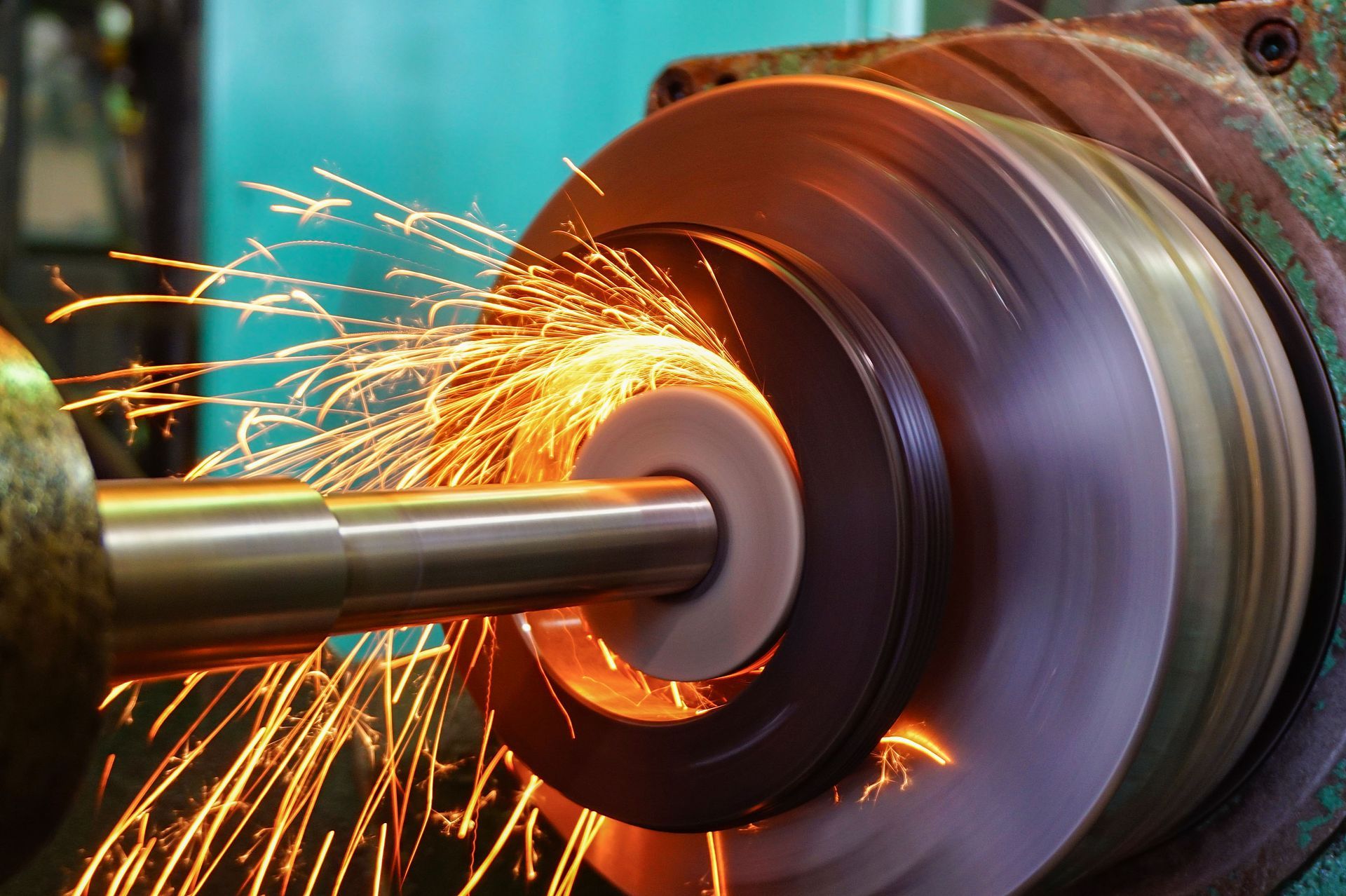
This is where true machining expertise comes into play. A skilled machinist knows exactly how to balance speed with quality, optimizing cutting parameters to maximize efficiency while holding tolerances. In many cases, this delicate balance involves strategic process planning. For example, a machinist might program a CNC mill to rapidly rough out a component, leaving just a few thousandths of an inch of material behind. Then, the part is moved to a secondary finishing process. This is where precision grinding truly shines, delivering mirror-like surface finishes and exacting geometric flatness or roundness that traditional cutting tools struggle to achieve at high speeds. By separating the fast, aggressive material removal from the meticulous finishing work, shops can deliver superior quality without bottlenecking their production pipelines.
Whether your project requires the rapid, simultaneous operations of a CNC Swiss screw machine or the exacting, flawless finish of precision grinding, our team is ready to exceed your expectations. Contact Tri-Gon Precision, Inc today to learn more about our comprehensive machining capabilities and to request a quote for your next complex project.