April 27, 2026
Manufacturing has undergone a massive transformation over the past few decades, evolving from manual processes to automated operations. At the heart of this transformation is the technology that drives modern manufacturing facilities. Many people wonder about the mechanisms that allow raw materials to be transformed into intricate parts with great accuracy. This process relies heavily on computer numerical control technology, which dictates the movements of various tools and machinery. Whether creating aerospace components or intricate medical devices, understanding how these systems operate provides valuable insight into modern production. These automated systems represent a significant leap forward from the manual mills and lathes of the past. The level of detail achievable today was once considered impossible by earlier generations of machinists. For those relying on precision machine shops, knowing the mechanics behind the curtain can help in making informed decisions about production partners. Let us delve into the fascinating world of automated manufacturing and explore the intricate processes that make it all possible.
Understanding the Basics of Computer Numerical Control
At its core, this technology involves using computers to control machine tools. Instead of a human operator physically guiding a cutting tool or managing a lathe, a programmed set of instructions dictates every single movement. This fundamental shift from manual oversight to programmed execution defines the modern manufacturing landscape. The process begins with a digital design, which is then translated into a language the machinery can comprehend perfectly. This translation bridges the gap between imagination and physical reality. The instructions tell the machinery exactly where to move, how fast to travel, and what specific path to follow. Every single motion is calculated with incredible exactness, ensuring that the final physical product matches the original digital blueprint perfectly. When clients partner with precision machine shops, they expect this level of exactness to be maintained throughout the entire production run. The reliance on digital instructions eliminates the inherent inconsistencies of human operation, resulting in parts that are completely identical from the initial piece to the last. This remarkable consistency is absolutely essential for industries that demand perfection in every single component they utilize.
Examining the Core Components of Milling Systems
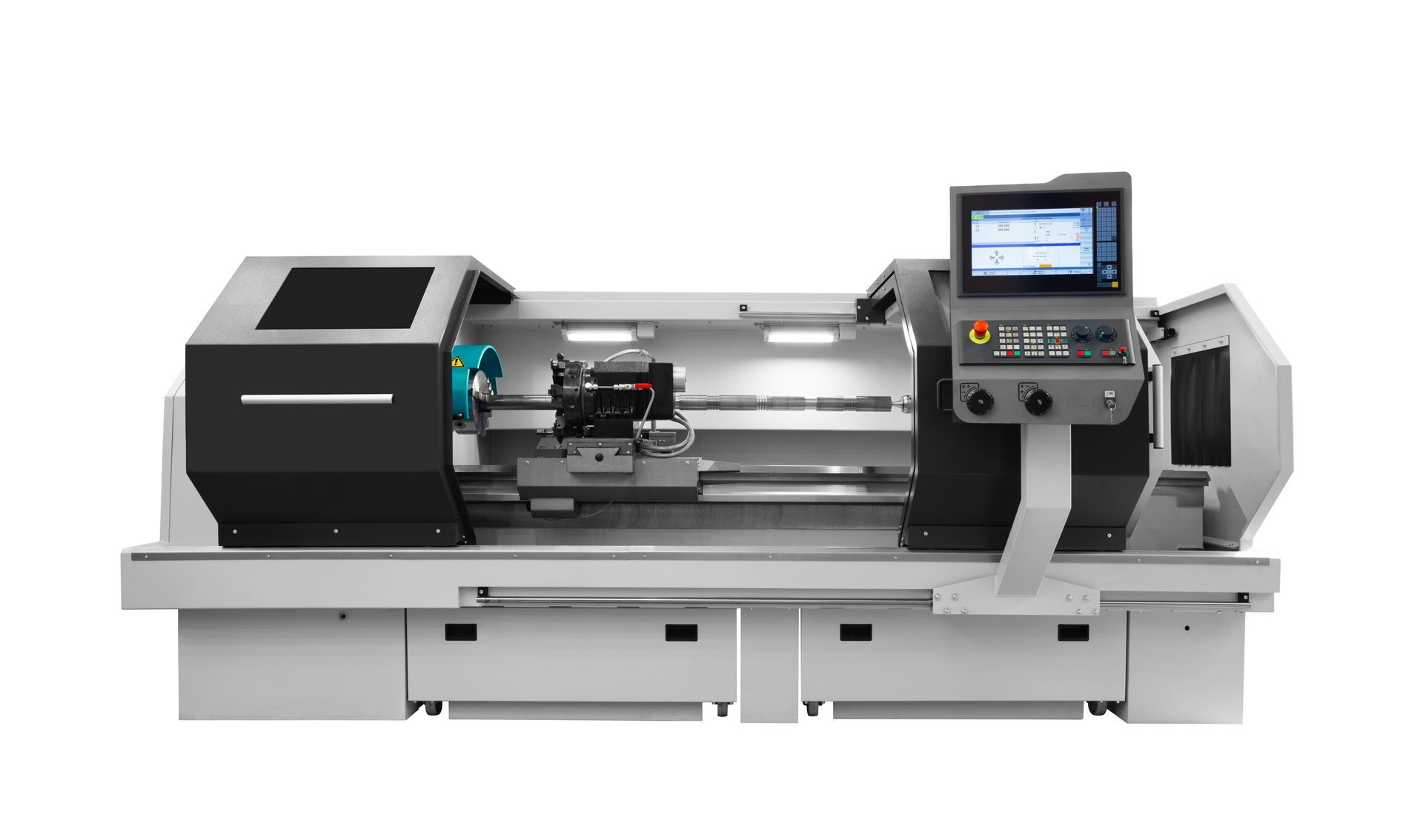
To truly grasp how these automated tools function, one must look closely at their individual mechanical parts. The system typically consists of several key elements working together in perfect harmony. Initially, there is the machine control unit, which acts as the central brain of the entire operation. This control unit reads the programmed instructions and sends electrical signals directly to the motors driving the physical movements. Subsequently, the drive system, consisting of robust motors and lead screws, translates these electrical signals into physical motion along various directions. The cutting tool itself is another critical component, specifically designed to shave away material from the raw workpiece. The raw workpiece is held securely in place by a specialized fixture, ensuring it does not shift at all during the rigorous cutting process. These physical components must be exceptionally robust and rigid to withstand the immense physical forces generated during material removal. Leading precision machine shops invest heavily in advanced equipment with top-tier components to guarantee the absolute highest quality output. Without a sturdy metal frame and highly reliable drive mechanisms, the exactness dictated by the software would be lost entirely in the physical execution of the cut.
Analyzing the Software Behind the Manufacturing Process
The physical machinery is only a portion of the entire equation; the sophisticated software is equally vital. The process typically utilizes computer-aided design software to create the initial dimensional model of the desired part. Once the digital design is finalized, computer-aided manufacturing software takes over the workflow. This specific software analyzes the digital model and determines the most highly efficient way to carve it out of a solid block of raw material. It generates a highly specific set of instructions, often referred to as specialized code, which dictates the precise spatial coordinates and speeds for the cutting tools. Generating this essential code requires a deep understanding of both the software interface and the physical properties of the material being machined. The programmer must consider various factors such as tool wear, friction heat generation, and optimal cutting paths. The absolute best precision machine shops employ highly skilled programmers who can optimize this exact code to reduce production time while maintaining exceptional surface quality. The beautiful synergy between advanced software and highly skilled programming is what truly unlocks the full potential of automated manufacturing equipment.
Exploring the Machining Actions During Material Removal
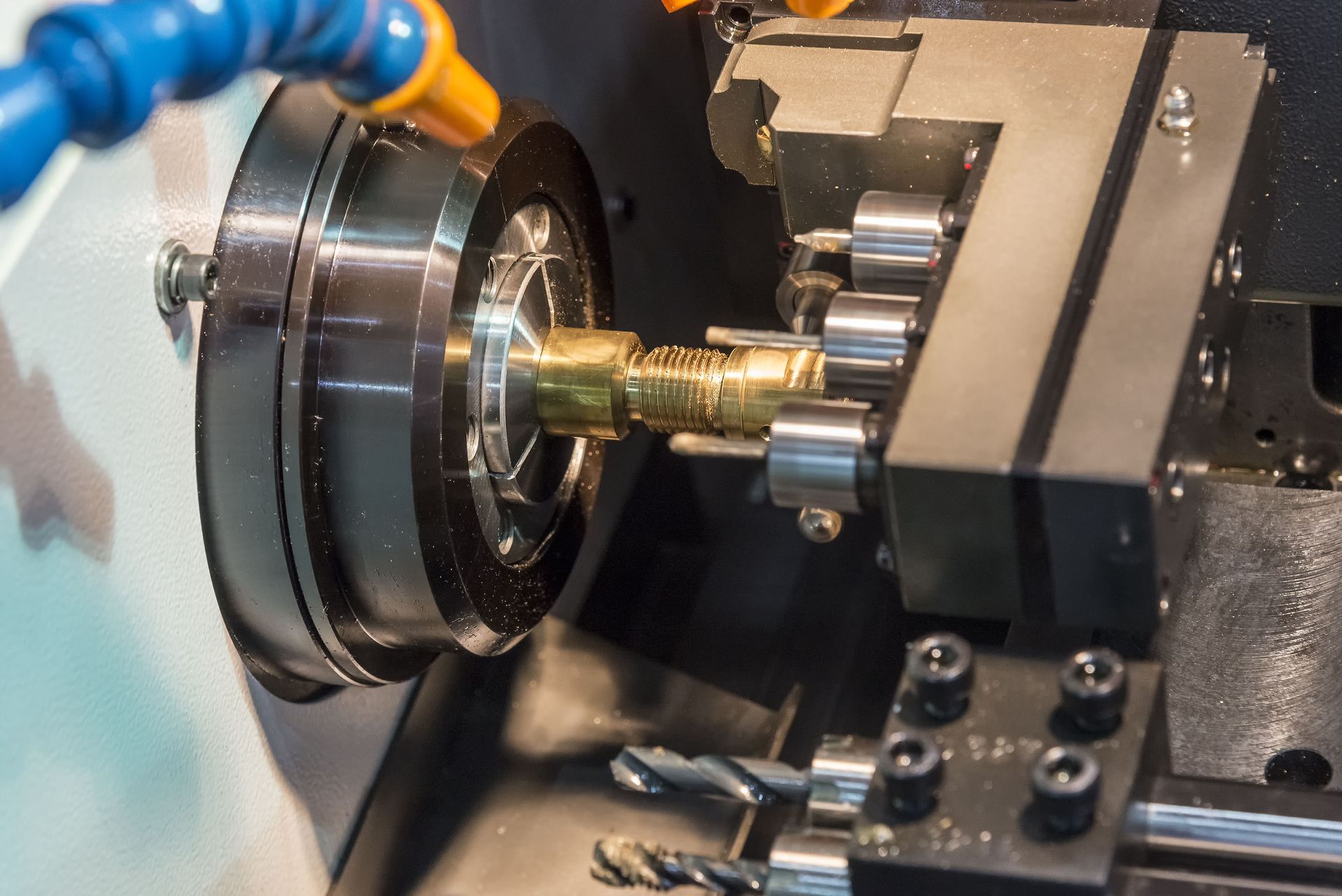
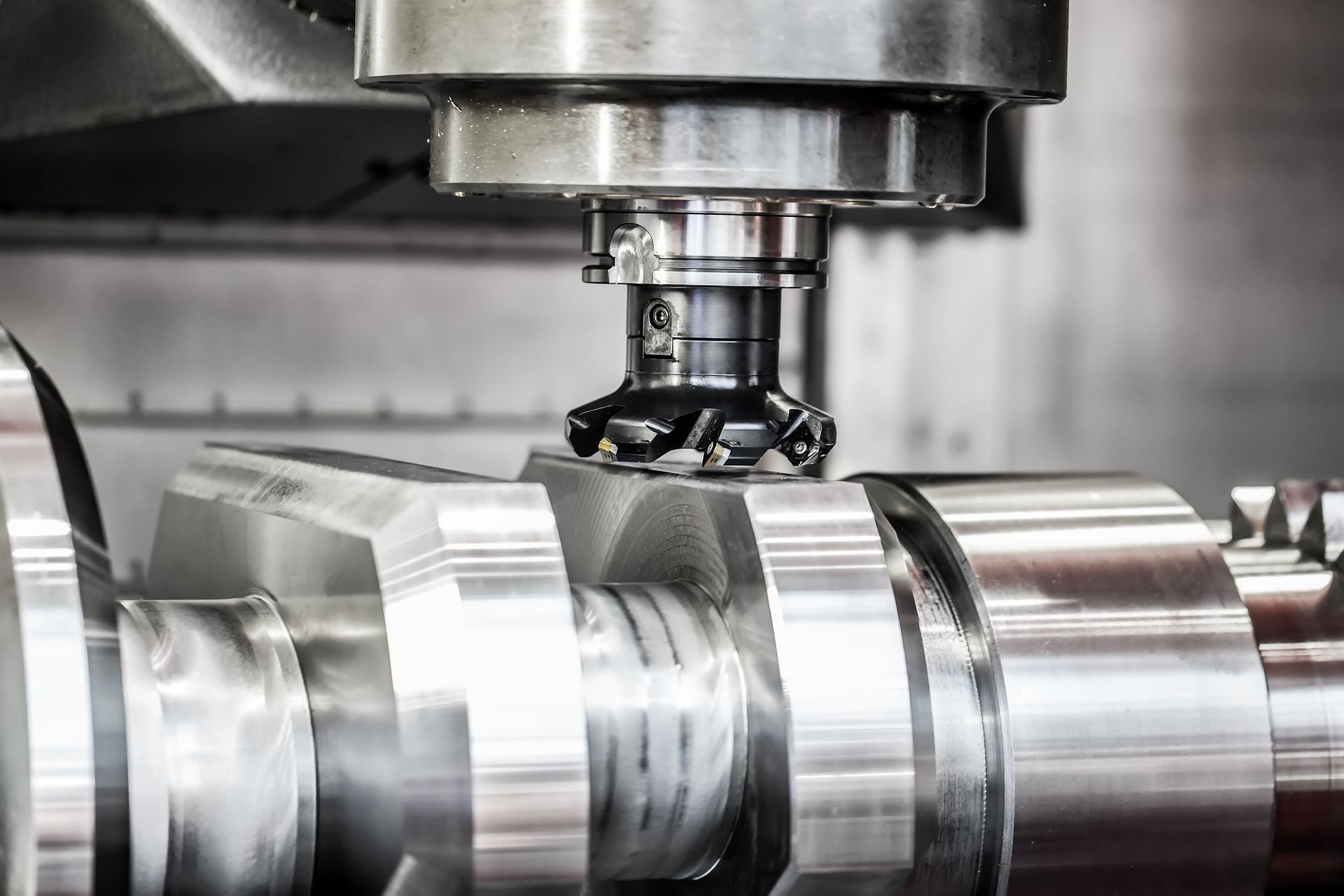
Once the digital program is loaded and the raw material is firmly secured, the physical process of material removal officially begins. The sharp cutting tools spin at incredibly high speeds, engaging with the raw workpiece to carve away the excess material. This action is carefully choreographed, with the machine moving along multiple directions simultaneously to create highly complex geometries. According to Medium, CNC machines come with two, three, four, five, six, or even seven processing axes that allow for complex manufacturing. This remarkable multi-axis capability means that the sharp tool can approach the raw workpiece from almost any conceivable angle, creating undercuts and highly intricate features without the need to manually reposition the part. The continuous flow of liquid coolant is often highly necessary during this phase to lubricate the cutting area and carry away the generated friction heat. This prevents both the sharp tool and the raw workpiece from warping or degrading. Many top-tier precision machine shops rely heavily on these advanced multi-axis capabilities to produce intricate parts that would be entirely impossible to manufacture using traditional, manual hand methods.
Recognizing the Advantages of Automated Production Methods
The shift toward automated manufacturing brings a multitude of distinct advantages to the production table. A primary benefit is the drastic reduction in human error. Because the movements are dictated entirely by a computer program, the chance of a mistake ruining a valuable piece of raw material is virtually eliminated. This leads to far less waste and higher overall production efficiency. Additionally, these automated systems can operate continuously for extended periods, stopping only for basic maintenance or to load new raw material. This continuous operation significantly increases production output compared to manual methods. The ability to quickly switch between different part designs simply by loading a new computer program also provides incredible flexibility. This allows manufacturers to respond rapidly to changing market demands or customized client requests. For growing businesses seeking reliable manufacturing partners, choosing precision machine shops that utilize these advanced automated systems ensures access to high-quality, consistent, and scalable production capabilities. The overall advantages extend far beyond simple speed, profoundly impacting the overall quality and reliability of the finished physical goods.
The sophisticated technology driving modern automated manufacturing is truly a marvel of modern engineering. By combining rigid mechanical components, advanced control systems, and highly sophisticated programming software, these complex machines can transform basic raw materials into exceptionally intricate physical parts. The entire process requires a deep synergy between digital design and physical execution, ensuring that every single movement is calculated and perfectly precise. Understanding the inner workings of these automated systems highlights the immense value they bring to various industries, from aerospace development to medical device creation. The reliance on digital programming eliminates inconsistencies and paves the way for scalable, highly reliable manufacturing. When businesses require perfection and repeatable quality for their critical components, partnering with highly capable precision machine shops is the most logical path forward. If you are ready to elevate your manufacturing capabilities and experience the benefits of advanced automated production, reach out to a trusted industry leader. Call Tri-Gon Precision, Inc. today to learn more about our comprehensive manufacturing solutions.