June 4, 2026
When manufacturing complex, intricate components, precision is an absolute necessity. Whether you are engineering the next generation of aerospace propulsion systems or designing life-saving medical devices, the margin for error is often microscopic. In the realm of advanced manufacturing, the question frequently arises: How precise can a CNC machine get? The answer might astound you. At Tri-Gon Precision, Inc., we have spent over five decades pushing the boundaries of what is mechanically possible. We know firsthand that modern manufacturing relies on machinery that operates well beyond the limits of human capability. Among the varied techniques used to achieve such extreme accuracy, CNC Swiss screw machining stands out as a true marvel of modern engineering. In this comprehensive guide, we will explore the limits of CNC precision, the factors that influence it, and why this level of accuracy is critical to the technological advancements of today.
The Anatomy of Precision: Tolerances and Accuracy
To appreciate the precision of modern machinery, we must first define what "precision" and "accuracy" mean in a manufacturing context. Accuracy refers to how close a machined part matches its intended design dimensions, while precision (or repeatability) is the machine’s ability to reproduce those exact dimensions on part after part, run after run. In CNC machining, this is measured in "tolerances," which dictate the allowable variance from the specified dimension.
Most standard CNC machines easily hold tolerances of +/- 0.005 inches. High-precision machines push this to +/- 0.001 inches. However, specialized machines take these numbers to an entirely different stratum. According to TechTarget, CNC machinery can achieve tolerances as tight as 0.00004 inches. To put that into perspective, a single human hair is roughly 0.003 to 0.004 inches thick. This means that state-of-the-art CNC equipment can machine parts to a tolerance that is nearly one-hundredth the thickness of a human hair. Achieving this level of detail is not accidental; it requires a combination of perfect environmental conditions, exceptionally rigid equipment, expert operators, and advanced techniques like CNC Swiss screw machining.
The Factors Influencing CNC Precision
Even with the most advanced technology available, achieving microscopic tolerances is a highly sensitive process. Several critical factors influence how precise a CNC machine can ultimately be:
1. Machine Rigidity and Build Quality
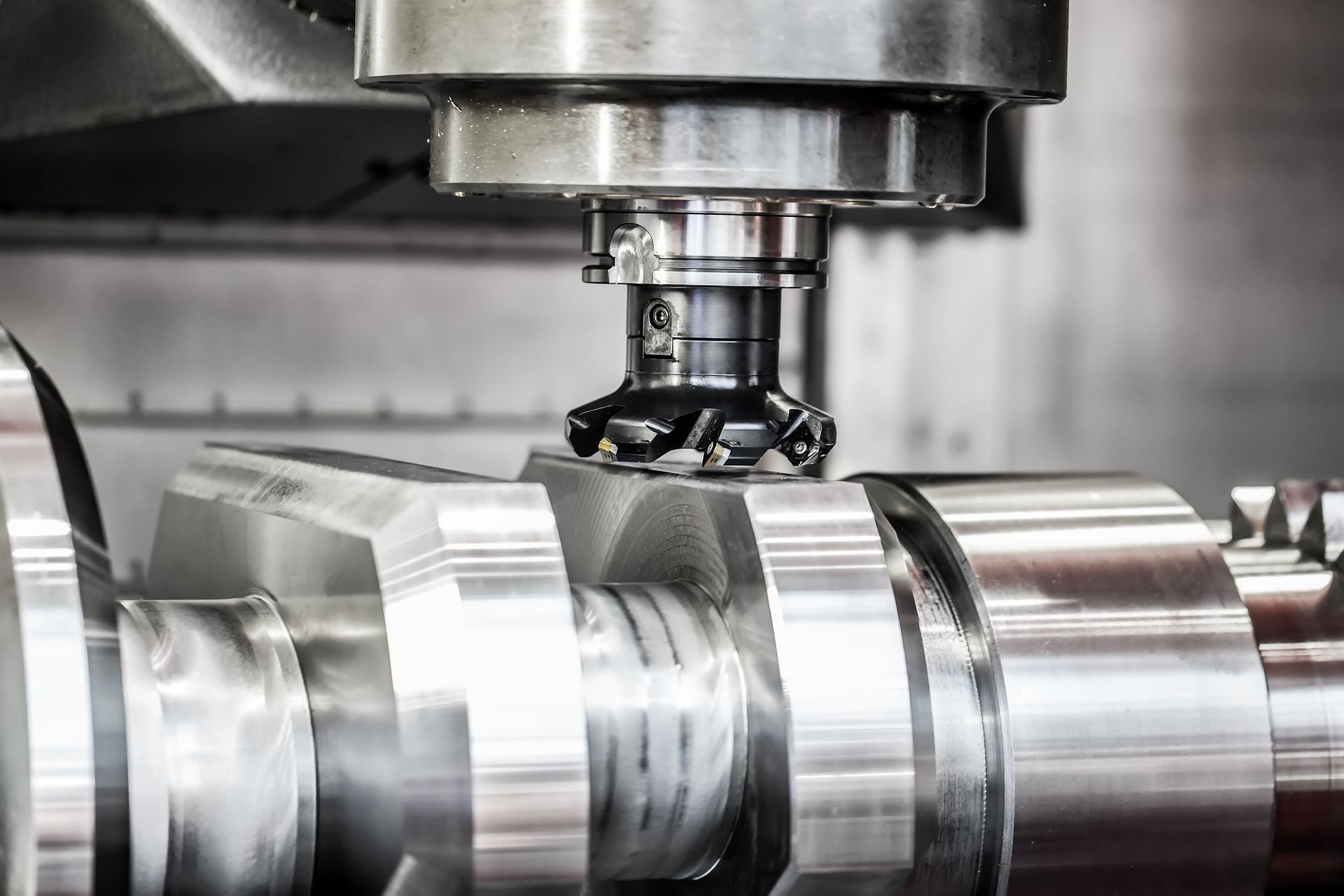
The physical construction of the CNC machine plays a foundational role in its accuracy. Any vibration or deflection during the cutting process will translate directly into inaccuracies on the workpiece. High-end machines feature heavy cast-iron bases and extremely rigid spindles to dampen vibrations.
2. Thermal Stability
Heat is the enemy of precision. As a machine operates, friction from the cutting tools and the movement of mechanical components generates heat. This heat causes the machine's components, as well as the workpiece itself, to expand. Advanced setups combat this through thermal compensation software, climate-controlled facilities, and specialized coolant systems. When a process like CNC Swiss screw machining is employed, localized heat management is critical for preventing dimensional drift during long production runs.
3. Tooling Quality
The sharpness, material, and geometry of the cutting tool heavily dictate the final outcome. Carbide, diamond, and ceramic tools are frequently used for their durability and ability to maintain a sharp edge under extreme stress. As tools wear down, even by a few microns, the tolerance of the part shifts.
4. Material Properties
The machinability of the raw material affects precision. Softer materials like certain plastics or aluminum might deform under cutting pressure, while incredibly hard alloys like titanium or Inconel can cause rapid tool wear. Operators must adjust speeds and feeds perfectly to match the material.
5. The Skill of the Machinist
Despite the "Computer Numerical Control" (CNC) aspect, human expertise remains irreplaceable. Experienced machinists and programmers must optimize feed rates, spindle speeds, tool paths, and offsets. A machine is only as accurate as the program running it and the technician overseeing the operation.
The Pinnacle of Machining Accuracy: The Swiss Advantage
When standard CNC turning falls short, manufacturers turn to specialized methods. Originating from the Swiss watchmaking industry, which required microscopic screws and gears, CNC Swiss screw machining is specifically designed for small, slender, and highly intricate parts.
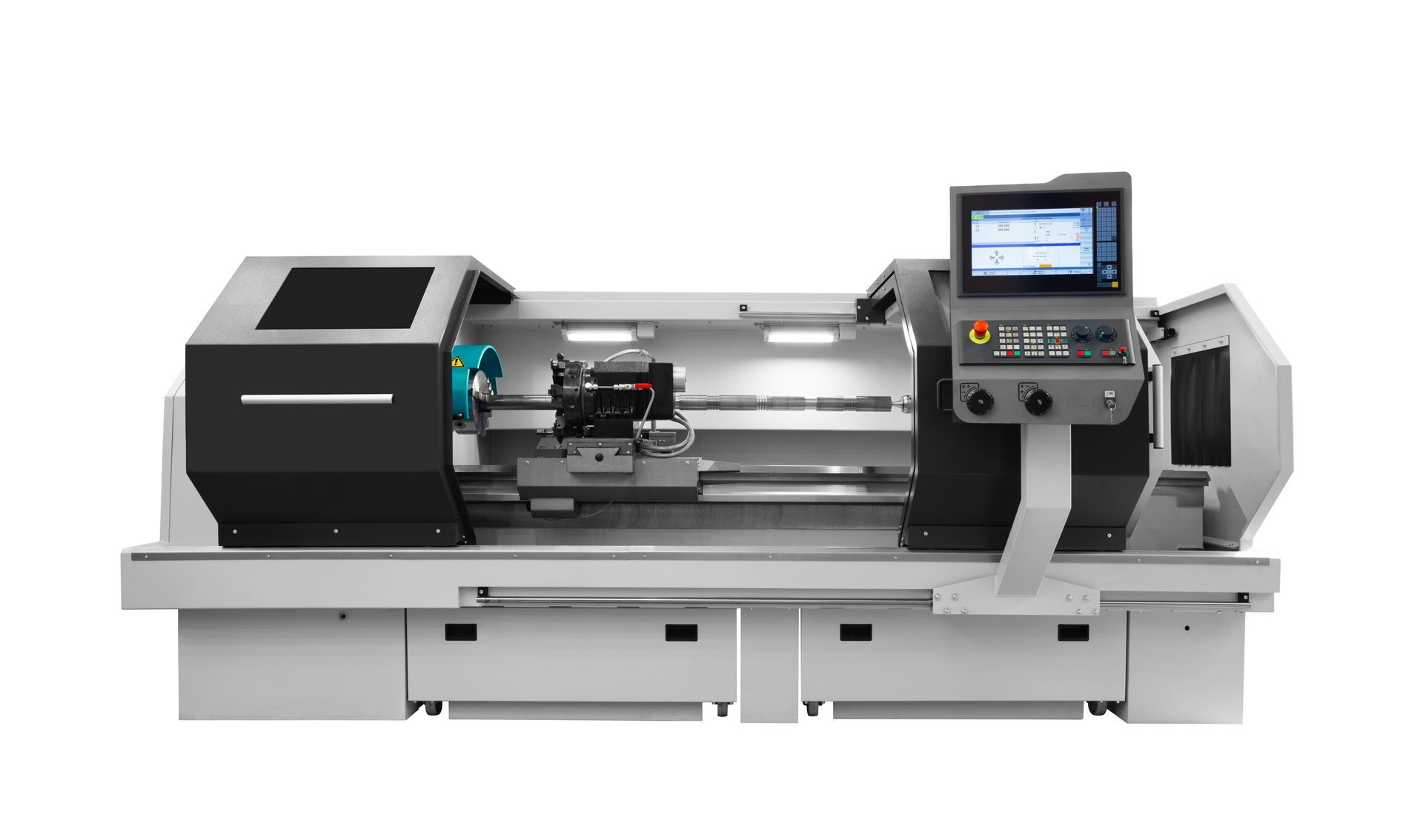
But what makes CNC Swiss screw machining different from traditional turning? In a conventional lathe, the workpiece is held tightly in a chuck, and the cutting tool moves along the length of the spinning material. If the part is long and thin, the pressure from the cutting tool can cause the material to bend or deflect, leading to severe inaccuracies.
This specialized process solves this problem through the use of a guide bushing. The material is fed through this guide bushing, and the cutting tools operate immediately next to the face of the bushing. Because the material is supported right where the cutting force is applied, deflection is virtually eliminated. This allows for the precise machining of exceptionally long and thin components that would be impossible to manufacture otherwise. For parts requiring diameters under an inch and exacting tolerances, CNC Swiss screw machining is the undisputed champion.
The Top Industries That Demand Extreme Tolerances
The astonishing tolerances achieved by CNC technology are not just for show. They are functional requirements for several critical, highly regulated industries:
Aerospace and Defense
In aerospace engineering, a failed component is not an option. Engine components, fuel delivery systems, and navigational housings must endure extreme temperatures and pressures. Even a microscopic deviation can lead to catastrophic failure. Tolerances in the tenths of a thousandth of an inch ensure that complex assemblies fit together seamlessly, preventing leaks and reducing wear.
Medical and Dental
The medical industry relies heavily on CNC Swiss screw machining to produce life-enhancing devices. Surgical instruments, bone screws, pacemakers, and dental implants require not only biocompatible materials but also perfect precision. A bone screw must thread perfectly into the skeletal structure, and a surgical robot's joint components must articulate with zero backlash.
Telecommunications and Electronics
As electronic devices continue to shrink, the mechanical components that house and connect them must also scale down. Fiber optic connectors, microwave housings, and microscopic pins and sockets require extreme precision to ensure uninterrupted signal transmission over long distances.
The Tri-Gon Precision Difference
Finding a partner capable of delivering this level of accuracy is no small task. At Tri-Gon Precision, Inc., located in Colorado Springs, CO, we have over 50 years of experience delivering high-precision solutions. As a proudly family and woman-owned business, we have built our reputation on an unwavering commitment to quality and close customer relationships.
We understand that you are not just looking for a vendor; you are looking for a manufacturing partner who can tackle your most complex challenges. Our facility is equipped to handle everything from prototyping to full-scale, all-inclusive production runs. Whether your project requires micromachining, precision grinding, or advanced CNC Swiss screw machining, our team of seasoned experts has the knowledge and technology to make it a reality. We pride ourselves on our on-time delivery, ensuring that your supply chain remains uninterrupted and highly efficient.
Our comprehensive approach means we handle every aspect of the process. Beyond core machining, we offer a full suite of finishing and value-added services. From polishing and anodizing to heat treatment and rigorous quality control documentation, we ensure that every component leaving our shop floor meets your exact specifications and adheres to the strictest industry standards.
The Future of Precision Manufacturing
As technology continues to advance, the demand for smaller, more complex, and more accurate components will only increase. Engineers will continue to dream up designs that push the boundaries of physics, and it will be up to precision machine shops to turn those dreams into tangible reality.
How precise can a CNC machine get? As we have seen, the current capabilities allow for tolerances that are nearly imperceptible to the human eye. But the pursuit of perfection never truly ends. With constant innovations in machine tool design, cutting materials, and computer software, the horizon of what is possible continues to expand.
If you are developing a product that requires uncompromising accuracy, do not leave your manufacturing to chance. Experience the Tri-Gon difference today. Contact us to request a quote and discover how our expertise in advanced machining and precision manufacturing can elevate your next project to new heights of success.